
















Ways to Pay
Changes in Education Leasing in the UK (2024 Update)
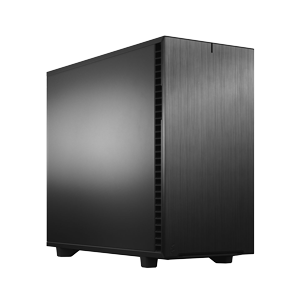
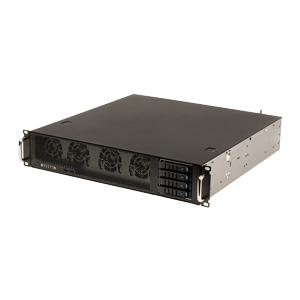
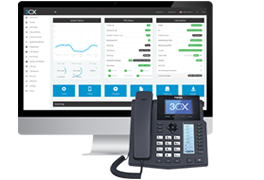
The landscape of education leasing has evolved significantly with the introduction of the IFRS16 Maintained Schools Finance Lease Class Consent effective from April 2024. This change simplifies leasing for schools, allowing for easier access to critical assets like IT equipment, telephony systems, and server infrastructure.
Schools can now lease items such as laptops, whiteboards, and servers under a clear, regulated structure. Importantly, the ability to lease and finance key school assets has been streamlined, giving schools more flexibility without needing individual consent for many common items.

Benefits of Leasing
Leasing comes with a range of advantages that make it an attractive option for schools managing tight budgets:
- Spread the cost: Why tie up your budget upfront on a depreciating asset? Leasing allows you to pay as you benefit from the technology, much like how schools manage staff salaries over time.
- Compliant with regulations: Our leasing agreements are fully compliant with Department for Education (DfE) and local authority regulations, ensuring peace of mind for your school.
- Preserve your budget: By choosing to lease, you can conserve your budget for other essential areas while still keeping your technology up to date. Plus, leasing provides a financial cushion for unexpected expenses.
- Easy upgrades: At the end of the lease, you can either return your equipment or upgrade, allowing you to keep pace with evolving technology. We’ll help manage the upgrade process, so it’s hassle-free.
- Lease the full solution: We can include everything you need—software, installation, maintenance, and warranties—so you get a complete package, not just the hardware.
- Transparent end-of-lease options: You’ll know exactly what to expect from start to finish. There are no surprises, and all costs are clear, making it easier for you to plan and manage your IT strategy.
Choosing the right lease for your school’s needs can save you money, time, and hassle while ensuring that your students and staff have access to the tools they need to succeed.
Finance Lease
A finance lease is ideal for schools that plan to keep their equipment for longer periods, such as 3 to 5 years, without worrying about residual value at the end of the lease. This option is often used for more durable assets like audiovisual systems, Wi-Fi networks, and servers, which typically have a long lifespan.
With a finance lease:
- There’s a one-off documentation fee of £199 with your first rental.
- You’ll enjoy straightforward paperwork and the comfort of fixed costs, protected against inflation.
- There's no need for a large upfront capital outlay, helping schools maintain a steady, predictable budget.
- Once the lease ends, the school can take ownership of the equipment, which is especially useful if you plan to continue using it.
- Your equipment will be covered by a VeryPC throughout the duration of the agreement.
This type of lease is perfect for schools that want to make long-term investments in essential tech infrastructure without breaking the bank.
Operating Lease
An operating lease suits schools that prefer to update their IT equipment every few years, ensuring they stay ahead of the curve with the latest technology. The key difference here is that an operating lease includes a built-in residual value, meaning schools can return the equipment at the end of the lease period, and the finance company refurbishes and resells it.
Operating leases are typically offered over a 3-year term and are commonly used for items such as laptops, tablets, and desktop computers. This setup is perfect for schools that prefer to keep their general IT up to date without being tied to outdated devices.
With an operating lease:
- You can upgrade your technology regularly, avoiding the risk of working with obsolete equipment.
- The focus is on flexible, short-term access to cutting-edge technology, with no need for long-term commitments.
- It’s a convenient option for schools that prefer the simplicity of returning equipment at the end of the lease rather than taking ownership.